
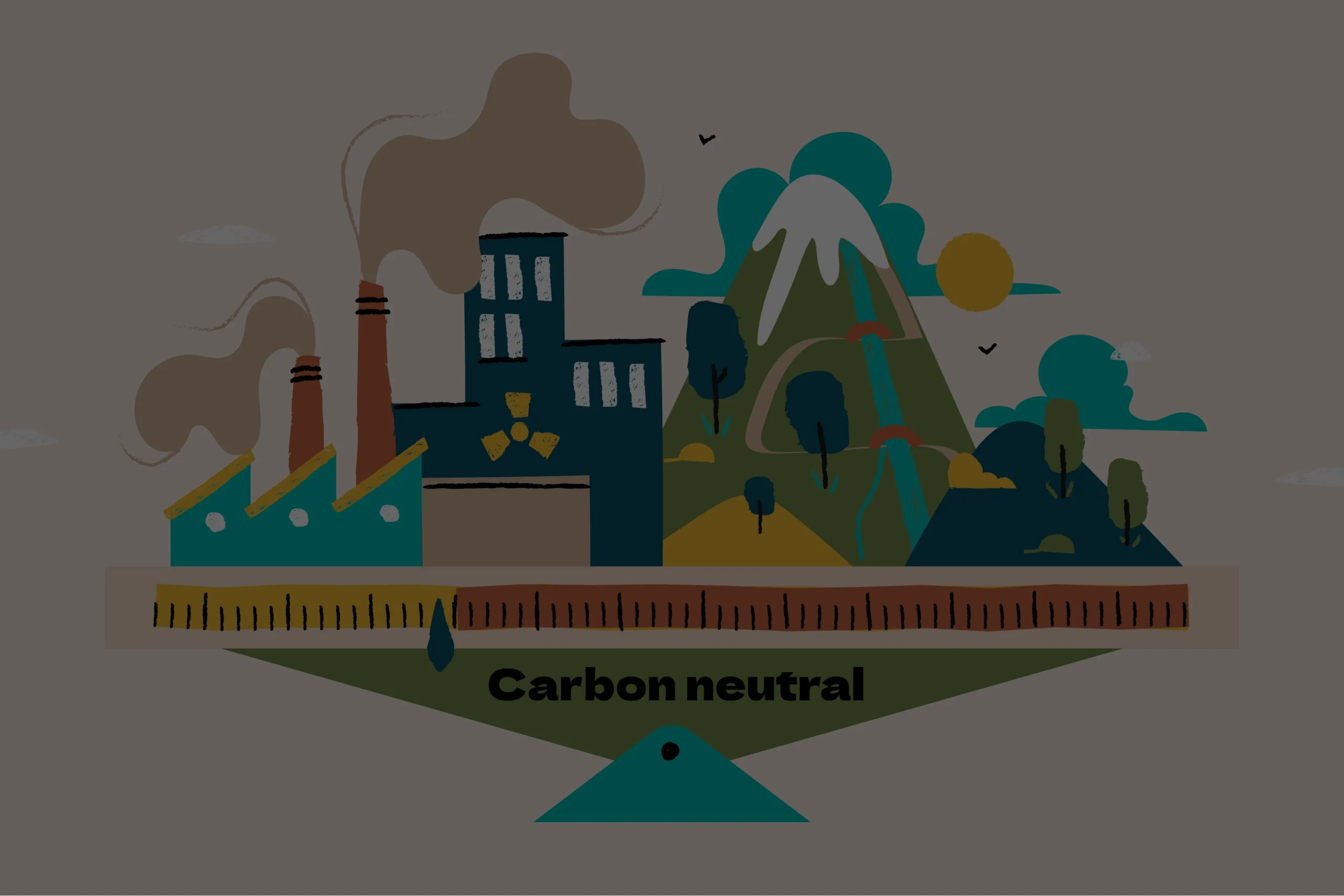
For years, European Union has required its companies to pay a price for the CO2 emissions they produce through the EU ETS system. The problem? Many foreign producers do not face the same obligation. This results in a competitive distortion that pushes some companies to move production outside European borders, where polluting costs nothing.
As a result, global emissions do not decrease; they simply change address. This phenomenon is known as carbon leakage and it is exactly what the CBAM seeks to counteract.
What is CBAM?
The Carbon Border Adjustment Mechanism is an equity tool designed to ensure that imported products incorporate the true environmental cost of their production into their price, just as happens for products manufactured in Europe.
The three strategic objectives are:
- Ensure fair competition between European and foreign producers
- Incentivize non-EU trade partners to adopt cleaner technologies
- Contribute to climate neutrality by 2050 under the “Fit for 55” package
Goods subject to CBAM
The mechanism does not apply to all imports but focuses on six carbon-intensive industrial sectors, selected specifically because they are most exposed to the risk of carbon leakage:
- Cement
- Steel
- Aluminium
- Fertilizers
- Electricity
- Hydrogen
These sectors represent a significant portion of global industrial emissions and have historically been among the most difficult to decarbonize.
Why must comply? Obligations for Businesses
Not all companies importing these goods are subject to CBAM obligations. The EU Omnibus Package (February 2025) introduced an exemption threshold primarily designed to protect small and medium-sized enterprises: those importing less than 50 tons per year per product group are exempt from compliance. This simplification excludes approximately 90% of importers while still covering 99% of total imported emissions.
Those exceeding this threshold must obtain Authorized Declarant status, register in the official CBAM Registry portal and fulfill a series of documentary and financial obligations. In Italy, the competent national authority is the MASE (Ministry of the Environment and Energy Security).
How CBAM works: key steps
The first major step involves calculating the embedded emissions in the imported products. For most sectors, the focus is on direct emissions, but for cement and fertilizers it is mandatory to include indirect emissions as well.
Once emissions are quantified, the importer must purchase an equivalent number of CBAM certificates. The price of these certificates is not fixed:
- For 2026: calculated based on the quarterly average of EU ETS auctions
- In 2027: it will be based on the weekly average
An important aspect concerns double taxation: if a company can prove it has already paid a carbon price in the country of origin, that amount can be deducted from the cost of the CBAM certificates. Finally, all declared data must be verified by an independent third party.
Warning: failure to comply or submitting incomplete declarations risks penalties ranging from 10 to 50 euros for every ton of CO2 undeclared or incorrectly reported.
CBAM Registry and deadlines to watch
On the operational front, the first step is registration in the CBAM Registry, the EU digital portal through which companies manage their status and submit declarations. Applications for final authorization as an Authorized Declarant should be submitted by March 31, 2026.
As of January 2026, the mechanism has entered into full effect. Consequently, imports are only permitted for Authorized Declarant and the purchase of certificates has become mandatory.
Regarding the annual declaration, thanks to the simplifications of the Omnibus Package, the original deadline of May 31 has been postponed to August 31, 2027.
CBAM as an opportunity
CBAM transforms sustainability from an ethical choice into a concrete economic variable. While the bureaucratic complexity is real, companies that act early (by registering, mapping their supply chains and correctly calculating embedded emissions) do more than just avoid penalties. They position themselves as reliable partners in a global market that increasingly demands environmental transparency.
In this sense, adapting to CBAM already represents a significant competitive advantage.
Do you need to calculate the emissions of your products or your organization?


